Our lab experts have tested more than 100 fridges to find the best performers and the ones to avoid
We assess factors such as temperature stability, how long they keep food fresh, running costs and more
Become a CHOICE member for exclusive access to our full fridge reviews, as well as reviews for thousands of other products
There are a staggering number of fridges on the market – all with different features, finishes and sizes. Not to mention the huge range of prices – from hundreds to many thousands of dollars.
It’s a big investment, and if you choose badly you could be stuck with a dud for years. That’s why CHOICE has been methodically testing fridges for decades: to help you find the best fridge for your needs.
We assess key criteria including how fresh they keep your food, whether they maintain a stable temperature, how much energy they use, and how much they’ll cost to run.
Our experts assess key factors such as temperature stability, running costs and more.
Over the years, our experts have uncovered some impressive fridges alongside some seriously poor performers that scored below 50%.
Not only do some of them cost thousands of dollars, they’ll also struggle to keep your food fresh, costing you even more over the years.
Unlike the fridges listed above, these low-scoring models are still on the market – so make sure you steer clear.
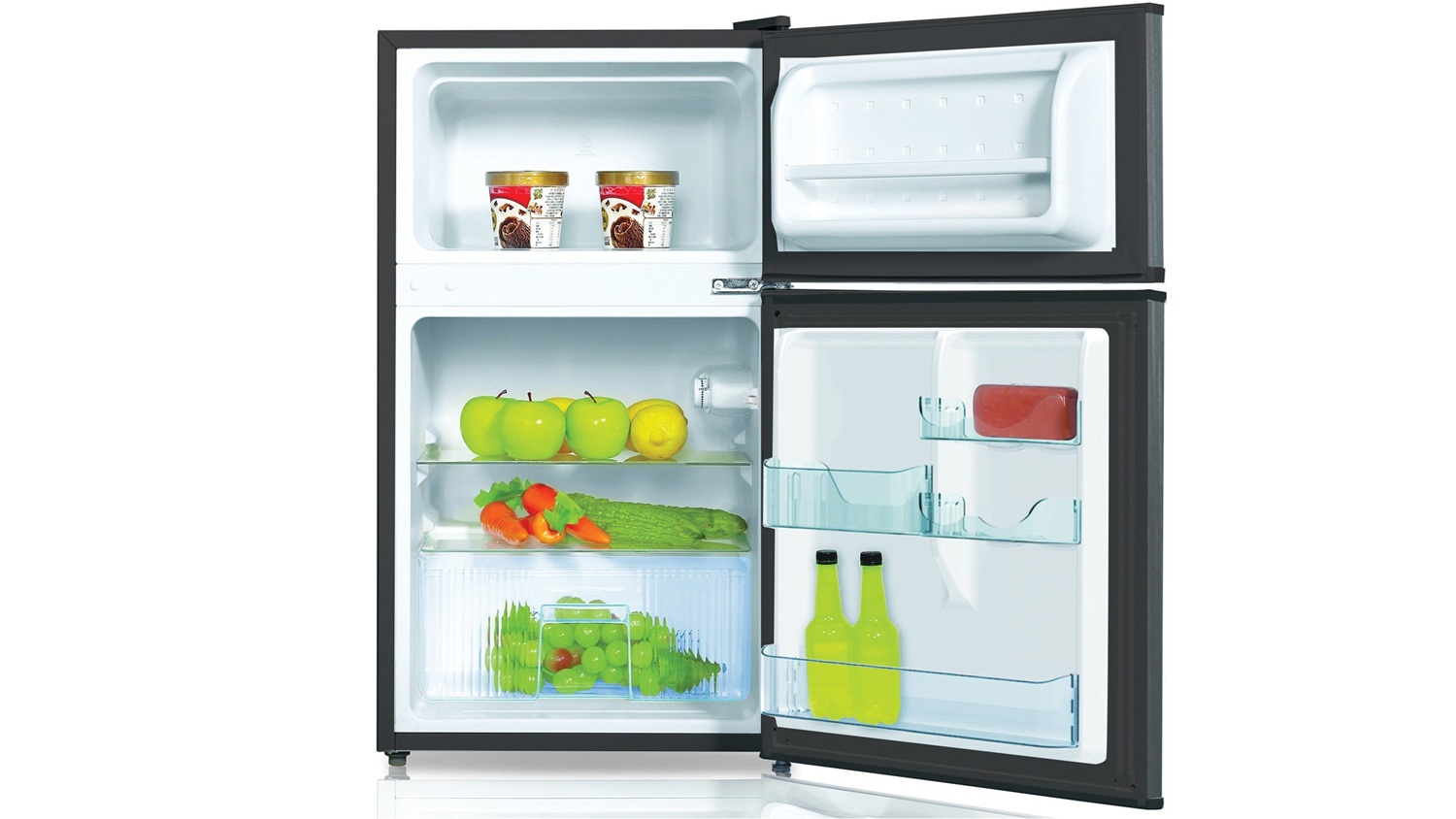
The Esatto EBF91S scored just 21% in our testing.
Esatto EBF91S
CHOICE Expert Rating: 21%
Temperature stability score: 14%
Price: $289
If you’re looking for a bar fridge for your next party, don’t look at this Esatto. It may be fun-sized but it’s definitely a party pooper.
Remember the “worst fridge ever” above? Well, it’s been outdone (just) by this diminutive disappointment.
Comparing bar fridges with full-size fridges is an apples vs oranges situation, but there’s no denying that a CHOICE Expert Rating of 21% isn’t just chillingly bad – it’s stone-cold sucky.
The Esatto scores just 14% for temperature stability and 35% for temperature evenness, so you’ll basically be playing Russian roulette with your drinks: even if you find a cold spot for them, the temperature could swing so wildly that you’ll end up with lukewarm lemonade and beer slushies.
You can filter for bar fridges in our fridge review to find the best one for your needs. There are far better options at similar prices.
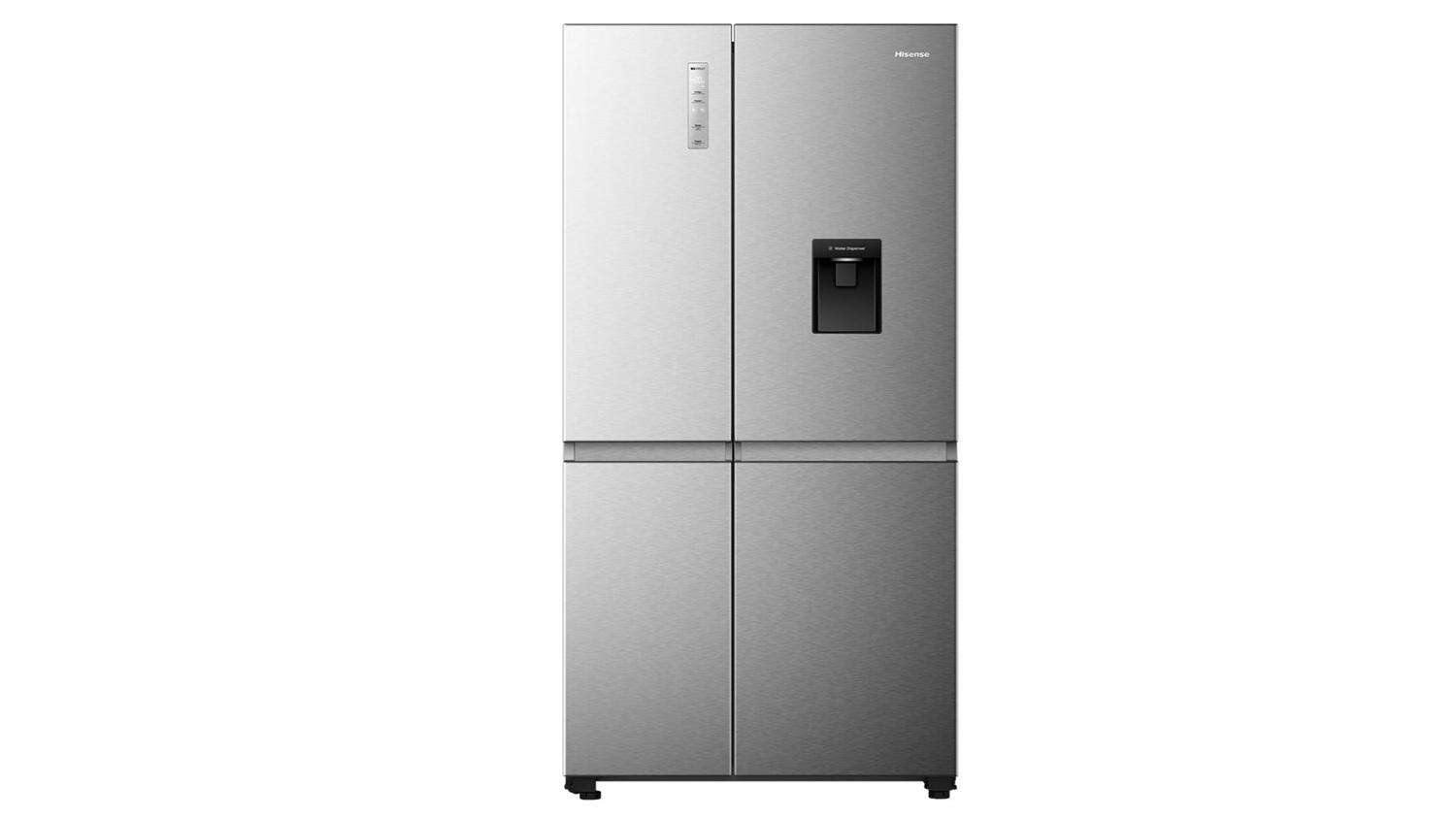
Hisense HRSBS649SW, the lowest scoring currently available fridge in our test.
Hisense HRSBS649SW
CHOICE Expert Rating: 40%
Temperature stability score: 21%
Price: $1599
After updating our test to remove discontinued fridges, this one from Hisense emerged as the lowest scoring full-size model currently available. Not exactly a sought-after accolade – and a fridge you should definitely avoid at all costs.
It fails to rise above mediocrity in almost all aspects of our test, with particularly troubling temperature fluctuation and evenness results.
Individual performance results aren’t the absolute worst we’ve seen but collectively, they point to an incredibly average fridge with no notable redeeming features.
Your ice cream and fresh produce will really feel the heat (or cold), depending on where you put them.
Not only does the overall temperature of the fridge and freezer fluctuate, there are also warmer and colder spots throughout. Your ice cream and fresh produce will really feel the heat (or cold), depending on where you put them.
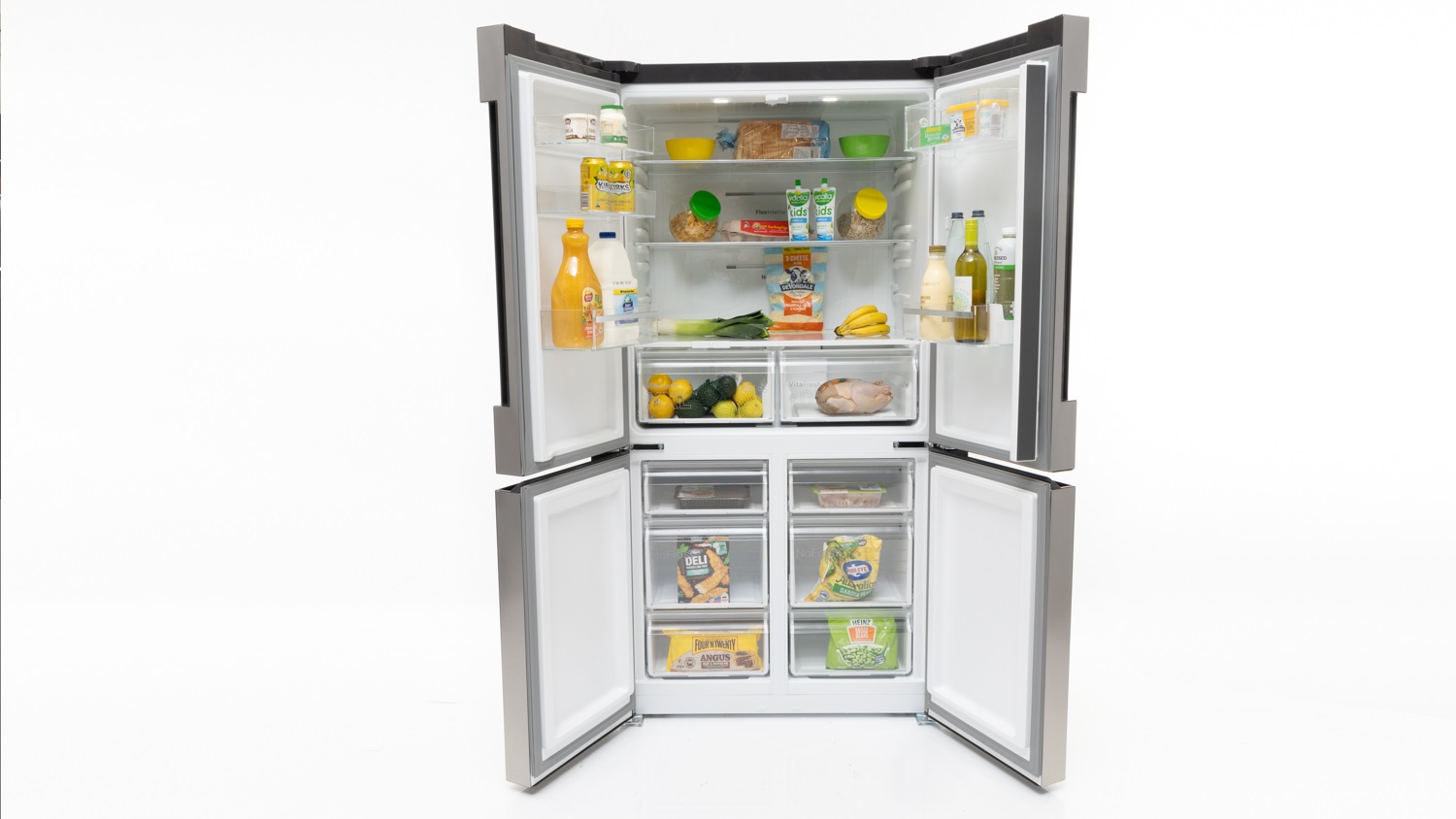
Bosch KFN96VPEAA: $3000 for a fridge that scored just 13% for temperature stability.
Bosch KFN96VPEAA
CHOICE Expert Rating: 43%
Temperature stability score: 13%
Price: $2099
In a previous review, we found a $2198 Bosch fridge that scored just 45% overall and was rated just 5% for temperature stability.
This time it’s a $2000 French-door model that’s marginally better on temperature stability, but only just: it scored 13% in our test and couldn’t hold a stable temperature in the freezer or fresh food compartment.
It performed worse than a number of cheaper French-door fridges, so avoid making a $3000 mistake by checking our detailed fridge reviews before you buy.
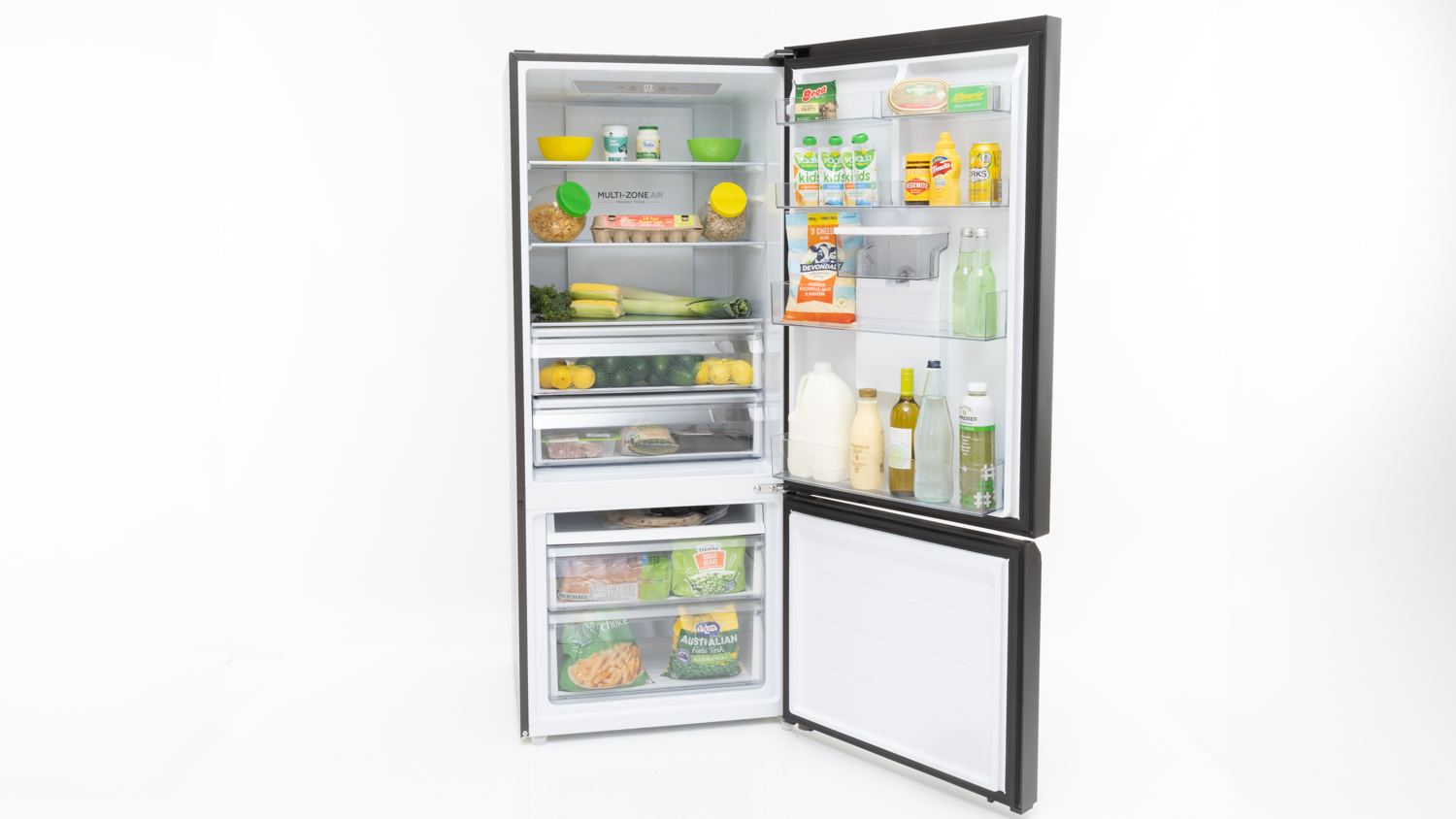
The temperature in this Haier fridge has more swings than a baseball game.
Haier HRF420BHC
CHOICE Expert Rating: 43%
Temperature stability score: 6%
Price: $1399
This fridge received one of the lowest temperature stability scores of the 101 fridges in our review. For context, the best fridges we tested scored 90% on this metric – so 6% isn’t just bad, it’s shockingly bad.
Our lab experts rigorously assess each fridge, measuring the temperature at 12 different points in the fresh food compartment over a period of seven days to get an accurate picture of how much the temperature changes.
This fridge’s temperature fluctuated by a huge 10.5°C, and the freezer by 7°C
These kinds of wild variations mean the fridge doesn’t do its one and only job: keep your food cold (or frozen). To keep your food safe, your fridge needs to stay between 0°C and 4°C. But if the temperature rises higher than 4°C, you’re entering the food ‘danger zone’ where bacteria can multiply.
And if the temperature in your fridge dips below 0°C, your food could freeze and then thaw again, leaving you with limp lettuce and soggy cucumber. In your freezer, temperature changes can shorten the lifespan of your frozen food and – even worse – ruin your ice cream.
We’ve found plenty of other fridges around the same price as this Haier that will actually keep your food cold, so check our review to find the best fridges for your budget.
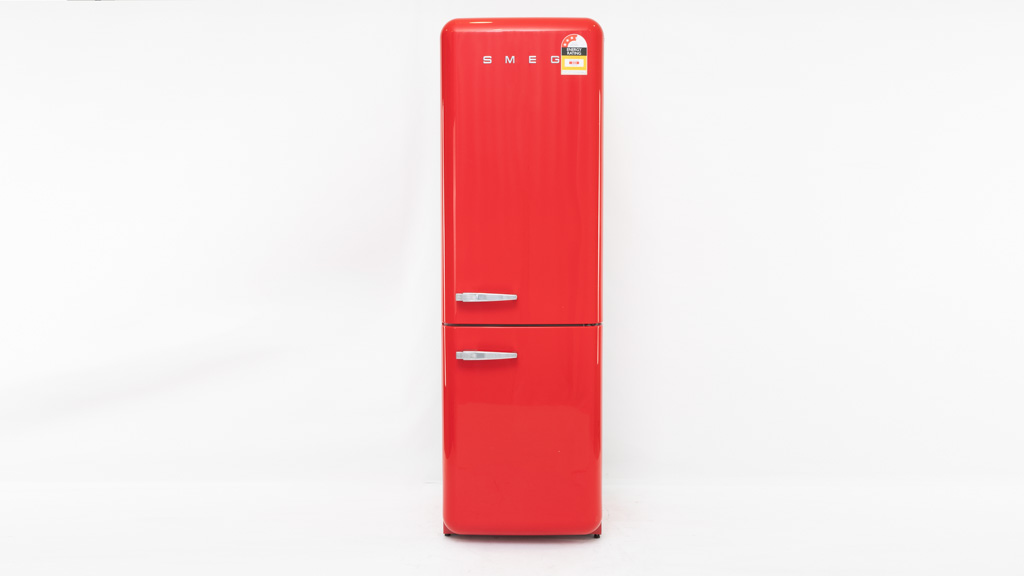
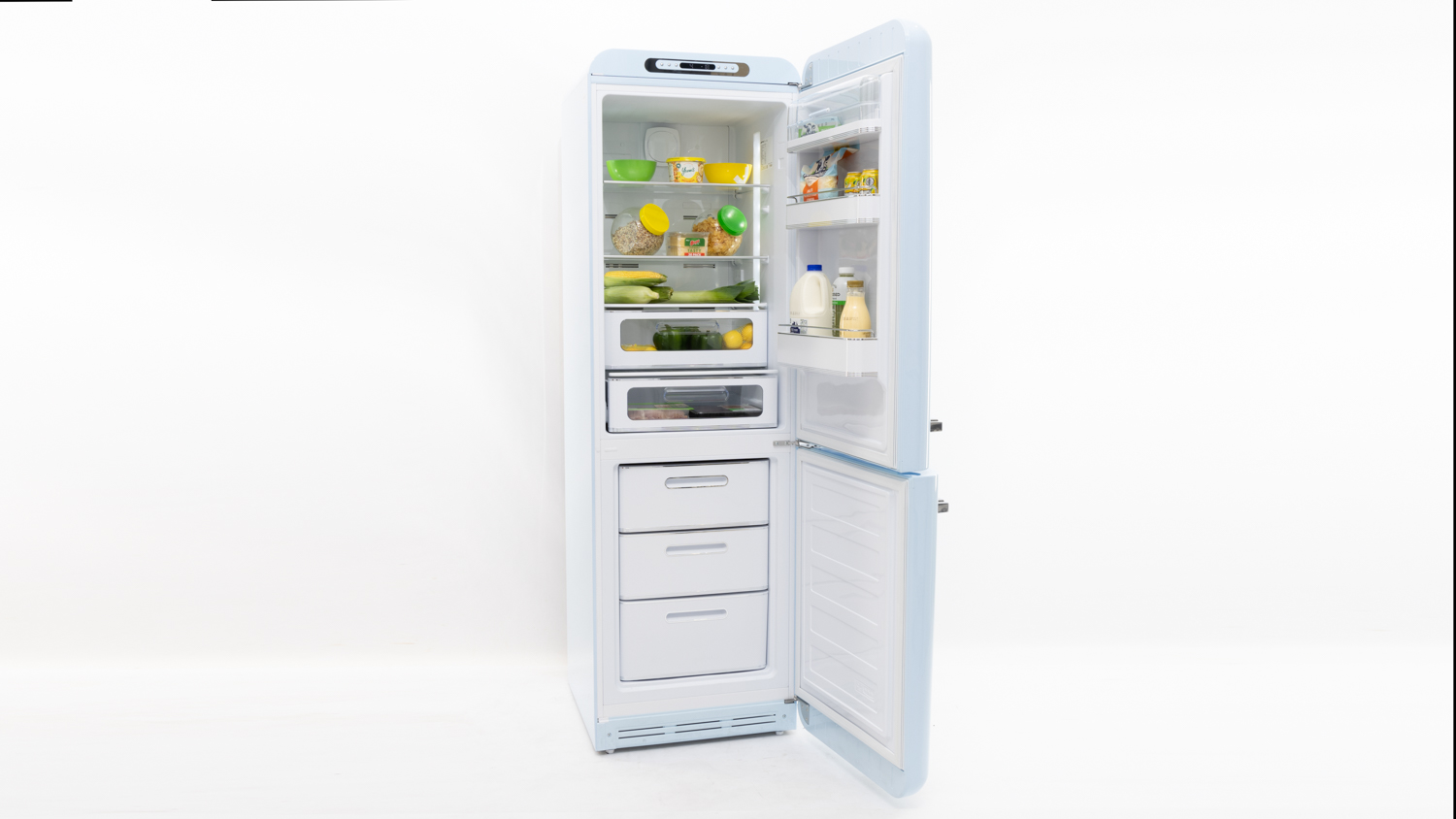
Smeg’s done it again with another second-rate fridge. To give credit where it’s due, this one is slightly better than its predecessors – but not much.
While you’d think the company would’ve improved upon the poor temperature stability that sealed its fate as manufacturer of the “worst fridge ever”, it seems Smeg hasn’t bothered: the FAB32 scored 0% for temperature stability.
Between the sketchy temperature stability and warm patches, your food is likely to go off faster
The temperature is also not evenly distributed, with the top shelf section recording significantly warmer temperatures than the bottom.
Between the sketchy temperature stability and warm patches, your food is likely to go off faster, adding extra dollars to your grocery bill – which many of us can ill afford with today’s cost of living.
And it has a huge price tag for a fridge this size: over $4000 for a fridge we classify as “small”. So, you’re not getting much bang for your buck in terms of size or performance with this fridge.
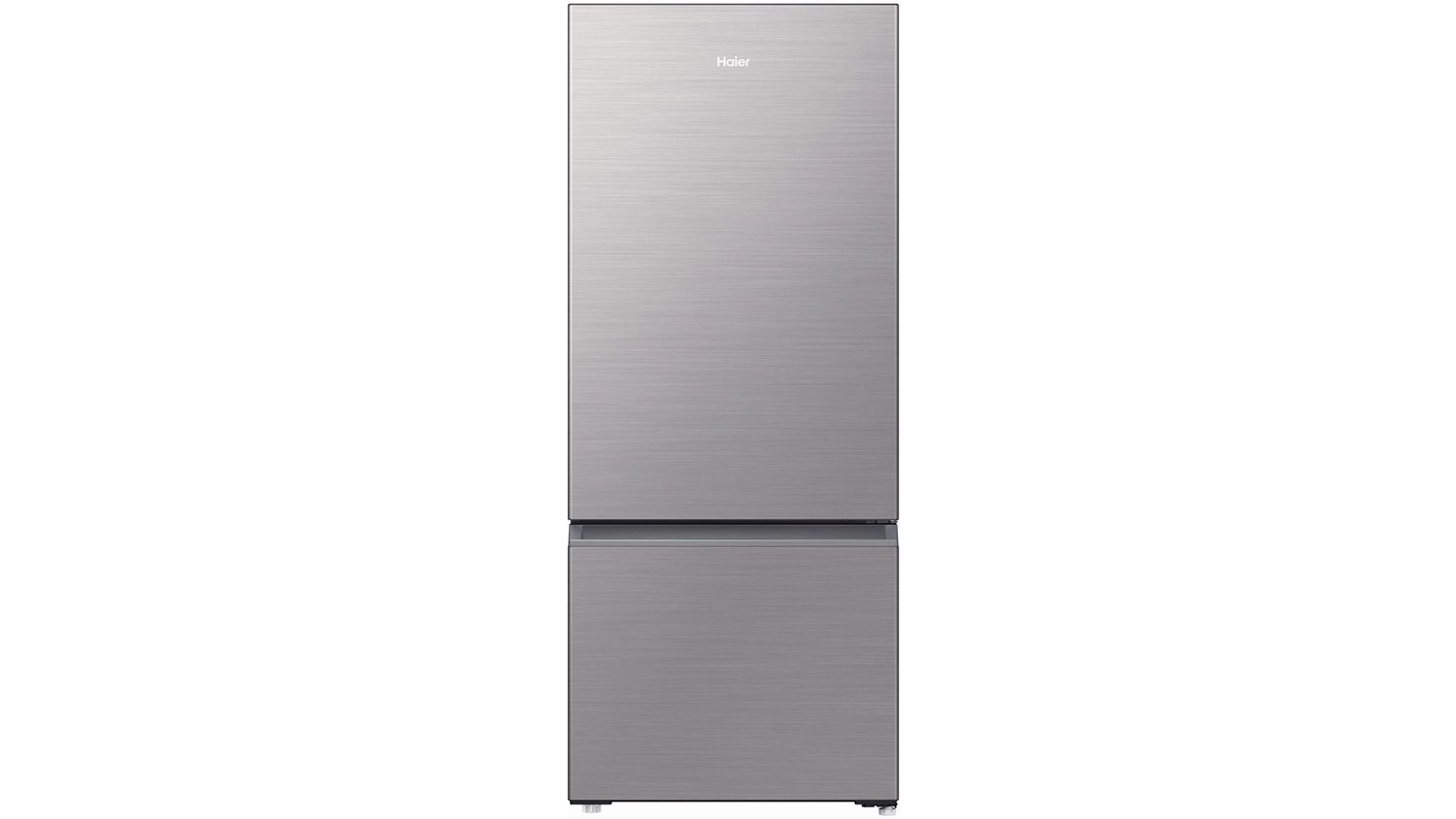
The HRF420BS from Haier is cheaper than other fridges, but still not worth it.
Haier HRF420BS
CHOICE Expert Rating: 44%
Temperature stability score: 6%
Price: $999
Another Haier joins our list of fridges not to buy and though this one is quite a bit cheaper, it’s still not worth the money. Do your food a favour and look for a better model.
Like the HRF420BHC, this Haier scored a woeful 6% in our temperature stability test. What you save on upfront cost, you’ll likely lose in the long run, since you’ll be frequently replacing food that’s gone off before its time.
To be fair, it’s not entirely terrible. It’s very good at cooling down warm food to safe storage levels and does an excellent job at adjusting the internal temperature to changes in the room. In other words, it’ll quickly bring your hot spag bol down to a lower temperature.
But you can pick up a number of similarly sized fridges that are recommended by our experts for the same cost or less, so there’s no reason to ever consider this Haier.
Of all the small fridges in our review, this Hisense actually has the lowest score for keeping your food fresh (even lower than the Smeg, which is really saying something). It may look like a good deal at under $1000, but it’s definitely not a bargain.
It couldn’t hold a stable temperature in our testing and it has warm and cool spots throughout. But worst of all, it can’t handle the heat: it was so poor at handling changes in room temperature that our experts had no choice but to rate it 0%.
That means that when summer rolls around, you can expect melted ice cream, tepid soft drinks and wilted lettuce. What you’ll save on buying this discount disappointment you’ll spend on replacing food that’s gone bad before its time.
Alice Richard is a Content creator and marketer. Alice writes on a range of topics, from health insurance to heaters and BBQs to bargain-hunting, always with the aim to help consumers find the best products to buy, and which to avoid.
Alice can take vast amounts of data from CHOICE product tests and turn it into content that is easily digestible and fun for readers.
Alice has a Bachelor of Arts from the University of Queensland. LinkedIn
Alice Richard is a Content creator and marketer. Alice writes on a range of topics, from health insurance to heaters and BBQs to bargain-hunting, always with the aim to help consumers find the best products to buy, and which to avoid.
Alice can take vast amounts of data from CHOICE product tests and turn it into content that is easily digestible and fun for readers.
Alice has a Bachelor of Arts from the University of Queensland. LinkedIn
For more than 60 years, we've been making a difference for Australian consumers. In that time, we've never taken ads or sponsorship.
Instead we're funded by members who value expert reviews and independent product testing.
With no self-interest behind our advice, you don't just buy smarter, you get the answers that you need.
You know without hesitation what's safe for you and your family. And our recent sunscreens test showed just how important it is to keep business claims in check.
So you'll never be alone when something goes wrong or a business treats you unfairly.